
Champion Talent: Leading a People-first Future
Laurie Moot, March 18, 2021
This is a moment of rich opportunity for talent leaders. Automation, globalization, and the rapid rise of remote work present new ways for people in human resources to think about their practice and the methods they use to attract, develop, and retain people. In fact, two-thirds (66%) of L&D pros globally now agree that they are focused on rebuilding and reshaping their organizations.
To meet this oncoming wave of transformation, the traditional roles across the organization are shifting and evolving. In the face of change, savvy talent leaders are not looking to protect the status quo, but are instead seeking ways to break down silos. They are creating collaborative talent teams that include all functions who have the remit and potential to help employees succeed and grow.

“Now is the time to lead a people-first future. Talent teams working together can share knowledge and mobilize the workforce to move as one.”
- Teulia Hanson, LinkedIn’s Chief People Officer
Why Now?
The pandemic, a global recession, and technological advances have together accelerated the future of work. These changes have manifested in a massive and urgent need for companies to invest in human capital through upskilling, reskilling, and prioritizing employee wellbeing. In order to tackle this challenge at the pace required to keep up in today's world of work, talent leaders must work together.
In a LinkedIn poll, 70% of leading HR professionals identified reimagining people practices and structure as the biggest opportunity for their organization in response to the pandemic. And there’s more:
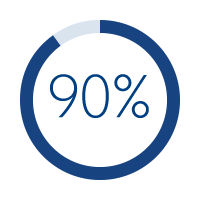
of executives expected a skills gap in their workforce in the next five years
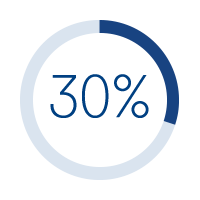
of executives knew how to respond to the coming skills gap
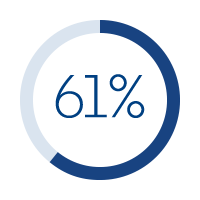
of HR leaders believe upskilling will be “very” or “moderately” important to marketing, IT, and supply chain operation
Between a growing remote workforce and a growing skills gap, it’s no surprise that breaking down silos is recognized as critically important in a changing environment. The need for new and different skills requires a massive change to how we think about talent as a renewable resource: talent leaders across the organization need to collaborate to better understand what skills are needed for the future, how to best hire for or build those skills, and how to keep talent engaged and happy as they move into new roles the business needs. This can no longer be the job of one function, but rather must be a collaborative effort.
“Collaboration across teams is no longer a ‘nice to have,’ it’s a ‘need to have'. In this changing world, we need to keep growing just to keep up. And for many of the challenges that we are all facing, working together is the answer.”
- Kevin Delaney, LinkedIn’s Vice President of L&D
Champion Talent: Hire, Learn, and Engage
It takes a unified team to build a holistic talent journey. When talent leaders come together to hire, develop, and engage, they can drive quantifiable results.
Hire
A unified team can develop a comprehensive, data-driven approach to source, attract, and hire key talent. Leveraging insights from nearly 740M members in the LinkedIn community, Talent leaders can build a people-focused hiring strategy that enables their teams to identify critical skills, engage top candidates and make the best-fit hires quickly.
Winning teams are built with top talent
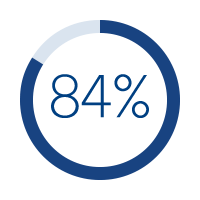
of talent professionals say that analyzing talent data to drive decisions will become more important in the next five years
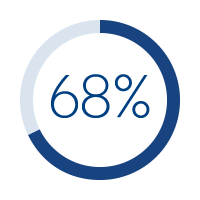
of recruiting pros said that better recruiting tools and technology would be one of the most effective ways to boost performance over the next 5 years
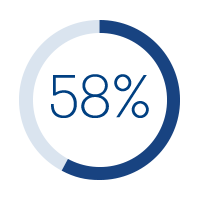
of new hires are more likely to stay at a company for three years or longer with a structured onboarding program
Learn
A unified team can create a culture of continuous learning to build a more equitable and innovative workplace. Talent leaders need to help their teams build the skills that will inspire learners, managers, and executives to co-create a culture of learning that rewards what employees already know and the pace at which they learn new, high-demand skills.
A focus on learning leads to success
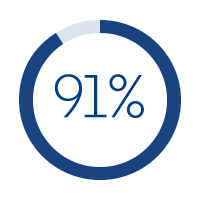
of L&D pros agree that teams that learn new skills together are more successful
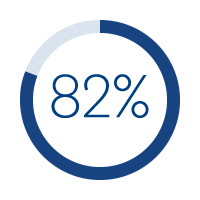
of people managers say that employees are responsible for learning the skills they need to be successful
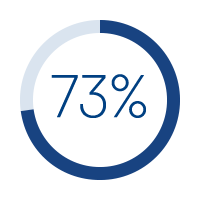
of learners say they’d stay at their company if there were more skill-building opportunities
Engage
A unified team uses a systematic approach to uncovering and actioning on employee feedback, proactively developing talent-centric programs to enable people to be happier and more engaged at work. Learning and growth programs particularly resonate with employees, and contribute directly to an employee’s experience at a company. Through the development of programs focused on these key areas, companies can not only boost retention, but also directly drive bottomline growth as well.
Employees who feel they have good opportunities
to learn and grow at their current companies are:
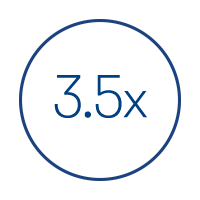
more likely to report they believe their company can help them meet career goals
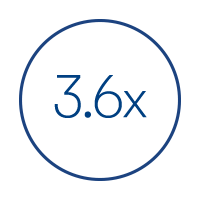
more likely to report being happy at their current company
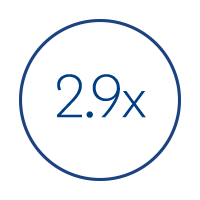
more likely to report they expect they’ll still be with their company in two year’s time
Better Together
In a future where change is a given, business success will depend on having a resilient, flexible, and engaged workforce. Businesses can remain competitive by adopting a holistic, people-first strategy.
Want to learn how to champion talent at your organization? Contact us today.