


Relationship intelligence affects everything from how teams connect and collaborate to how employee performance and achievements are supported and measured. It's equally essential for building sales relationships.
This guide will explore the importance of relationship intelligence, the fundamentals of relationship selling, and how to build better relationships with customers and maximize returns with a prospect pool.
What is relationship intelligence?
Relationship intelligence is a key business strategy focusing on the dynamics within a company's network of clients, prospects, partners, and team members. It aims to strengthen relationships, increase customer satisfaction, and enhance business performance, especially in the sales and customer service sectors.
Additionally, relationship intelligence includes tools and software that provide actionable insights about key players in sales relationship management.
Customer intelligence vs. relationship intelligence
These concepts interplay, particularly when customer intelligence data blends with relationship intelligence software.
Customer intelligence gathers data on a customer's contact details, job roles, decision-making, influence, and social media presence. Conversely, relationship intelligence analysis centers on interpersonal ties between prospects, customers, and businesses.
For example, sales reps can use this software to find second-degree connections to prospects and gain insights into professional activity, enhancing their approach to buyers. To be more effective and customer-centric, businesses must leverage the integrated software solutions driving the growing link between customer and relationship intelligence data.
Why is relationship intelligence important for sales?
When opportunities to connect are countless and deals need to be closed efficiently, relationship intelligence helps streamline efforts while creating the optimal conditions for building strong, lasting customer relationships.
Here are some of the key benefits of relationship intelligence:
1. Enhance empathy for customer needs and challenges
Relationship intelligence provides a deep understanding of your customers’ pain points, goals, and challenges. By analyzing patterns and behaviors, teams can anticipate customer needs and approach every interaction with a sense of empathy that fosters stronger connections and trust.
2. Understand customers better as individuals and buyers
Beyond demographic data, relationship intelligence offers insights into individual customer preferences, buying habits, and decision-making behaviors. This allows sales and support teams to craft interactions that resonate on a personal level, treating customers as more than just numbers.
3. Improve personalized outreach and communications
Personalization is key to successful customer engagement. With relationship intelligence, your team can tailor their outreach and messaging to reflect each customer’s unique journey, ensuring every communication feels relevant, thoughtful, and aligned with their needs.
4. Understand customer perceptions of their organization and teams
Knowing how customers view their own companies and internal challenges can open the door to more impactful conversations. Relationship intelligence helps uncover these perceptions, giving your team the context needed to position solutions that align with customers’ priorities and organizational dynamics.
5. Understand customer preferences for connecting with reps and brands
Whether it’s email, phone, social media, or face-to-face meetings, every customer has a preferred way of engaging with your brand. Relationship intelligence captures these preferences, helping your team connect with customers on their terms and create more comfortable, productive interactions.
6. Identify potential leads and aligned accounts
By analyzing relationships within and across organizations, relationship intelligence pinpoints potential leads and accounts that align with your offerings. This proactive approach ensures your team spends their time and resources on opportunities with the highest likelihood of success.
7. Enhance real-time support for key accounts
With real-time insights into customer behaviors and interactions, relationship intelligence allows teams to deliver timely, proactive support. This ensures key accounts feel valued and supported, especially when they need it most.
8. Build trust and boost customer satisfaction
Trust is the cornerstone of any strong relationship. By leveraging relationship intelligence to anticipate needs, provide personalized solutions, and stay consistently responsive, your team can build trust over time—leading to increased customer satisfaction and loyalty.
9. Discover innovative solutions for longstanding customer issues
Relationship intelligence offers a fresh perspective on persistent customer challenges. By analyzing data patterns and uncovering hidden opportunities, your team can identify creative solutions that deliver real value and strengthen the partnership.
How to master relationship intelligence
Some of the most important aspects of relationship intelligence that businesses must master include the following:

Social awareness
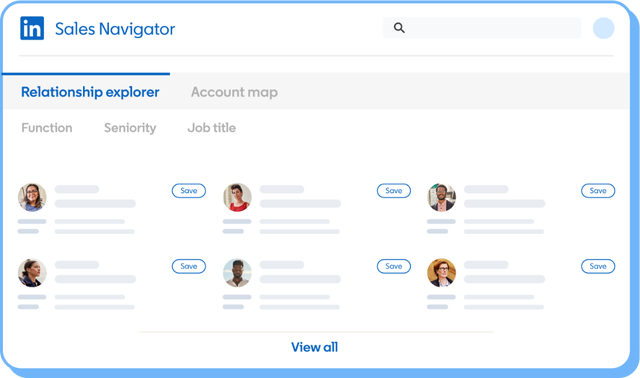
Social and organizational connections aid in warm introductions for sales teams. Sales reps can utilize LinkedIn Sales Navigator’s Relationship Explorer to find key allies and supporters, enabling targeted multithreading.
This tool reveals buyer activities like job changes, promotions, or LinkedIn posts and provides insights into product or service-related inquiries on social media, recent comments on company pages, or product forums.
It also allows visibility into prospective companies' performance and hiring trends indicative of revenue growth.
Social awareness bridges the gap between seller and buyer, considering shared experiences and mutual connections.

Emotional intelligence
Customers seek trust, authenticity, and self-actualization in business relationships. Sales teams must utilize relationship intelligence to enhance emotional understanding and empathize with clients during negotiations.
For example, if a prospect shares a career challenge on social media, a well-prepared sales team can more effectively assist them, increasing the likelihood of closing a sale and fostering a lasting business relationship.
Using relationship intelligence data, businesses can train employees to embrace what were once considered softer skills. These abilities enable sales teams to build trust, reassuring customers that they are making a wise purchase decision.

Self-awareness
Prospects and existing customers have expectations and narratives about their past business relationships, which influence their personal beliefs about what to expect in the future.
Some customers are taught over time they cannot trust their business partners and product or service providers. Others are taught that those vendors and business partners have their back and are empathetic to their needs.
By using relationship intelligence data, sales teams can gather insights to understand each customer and be sensitive to their personal belief systems when reaching out for the first time or when negotiating or embarking on a new business relationship.
For example, if a prospect has recently complained about a current vendor on social media, account reps can use that information to demonstrate through personalized messages that they understand their pain points when reaching out for the first time. They can also find out how customers prefer for them to reach out in the future (e.g., via email or text).
In turn, sales teams can foster better communication and collaboration with customers through the use of relationship intelligence software.
How to use relationship intelligence data to boost sales
Finally, relationship intelligence data can help sales reps and account teams to upsell and cross-sell to existing and prospective customers, as well as nurture relationships to boost sales revenue.

1. Upselling opportunities
Relationship intelligence helps account managers identify timely opportunities to deliver incremental value without inconveniencing customers. For example, a tool like LinkedIn Sales Navigator offers first-party company and profile data to help account managers identify what matters most to an account’s most influential contacts.
Additionally, it offers monitoring capabilities and insights to help account managers create and use more effective upselling techniques.
2. Cross-selling opportunities
Relationship intelligence data helps businesses broaden their account’s solution portfolio, and identify the right time to cross-sell with the most timely and helpful messages. With each added solution, sales teams can grow revenue and develop a more meaningful and consultative partnership.
In turn, it gives customers added incentive to invest in the relationship because they learn to count on their account teams over time.
3. Nurturing relationships over time
Relationship intelligence data gives account reps and teams a holistic view of individual leads and customer accounts to nurture new sales relationships, and can alert account managers when a relationship may be at risk.
Additionally, they can track personnel changes within an account which allows them to prioritize which relationships they should initiate or strengthen.
Once businesses have found a relationship intelligence tool that works for their business, they can use it to continually listen to and track accounts to improve retention rates and long-term customer satisfaction.
What to look for in a relationship intelligence data solution
A relationship intelligence solution should include:

Real-time updates on prospects, including job changes, promotions, and company news.
Social media monitoring to see what prospects are sharing with their social network.
Prospect identification through colleagues, second-degree connections, or new hire status.
Integrations with popular CRMs to track notes and insights related to targeted accounts.
Advanced search functionality to find new leads and accounts using precise filters and targeting features.

How LinkedIn helps sales teams with relationship intelligence
Building relationships in sales is vital in the modern marketplace.
Customers need to trust their account teams and feel secure in their purchasing choices.
Companies must understand and empathize with their customers' needs and challenges to assure them that their account teams are supportive.
With relationship intelligence, business relationships can better understand with actual data-driven solutions and insights what they can do to make customers happy—and strengthen those connections, too.
Use Sales Navigator’s Relationship Explorer for better relationship intelligence
Want to learn more about
Sales Navigator? Let us help:
Want to learn more about
Sales Navigator? Let us help:


